

Spring brings green waters and flourishing growth. On March 21, the Xiehe Cross-Campus Spring Teachers‘ Development Day, organized by the School Management Department of Xiehe Education Center, was successfully held at Shanghai United International School, Jiaoke Campus. Nearly 300 expatriate teachers from 7 campuses gathered to engage in in-depth dialogue and discussion on the essence of education, centered around the theme:
“Opportunities and Challenges Beyond 2025 – Balancing Between Well-Being and Technical Innovation.”

Jenny Chen, Deputy Director of the School Management Department of Xiehe Education Center, opened the event as host. In light of the rapid development of AI and profound changes in the global education landscape, she posed the question: when students can easily access knowledge through AI, what is the true value of a teacher?
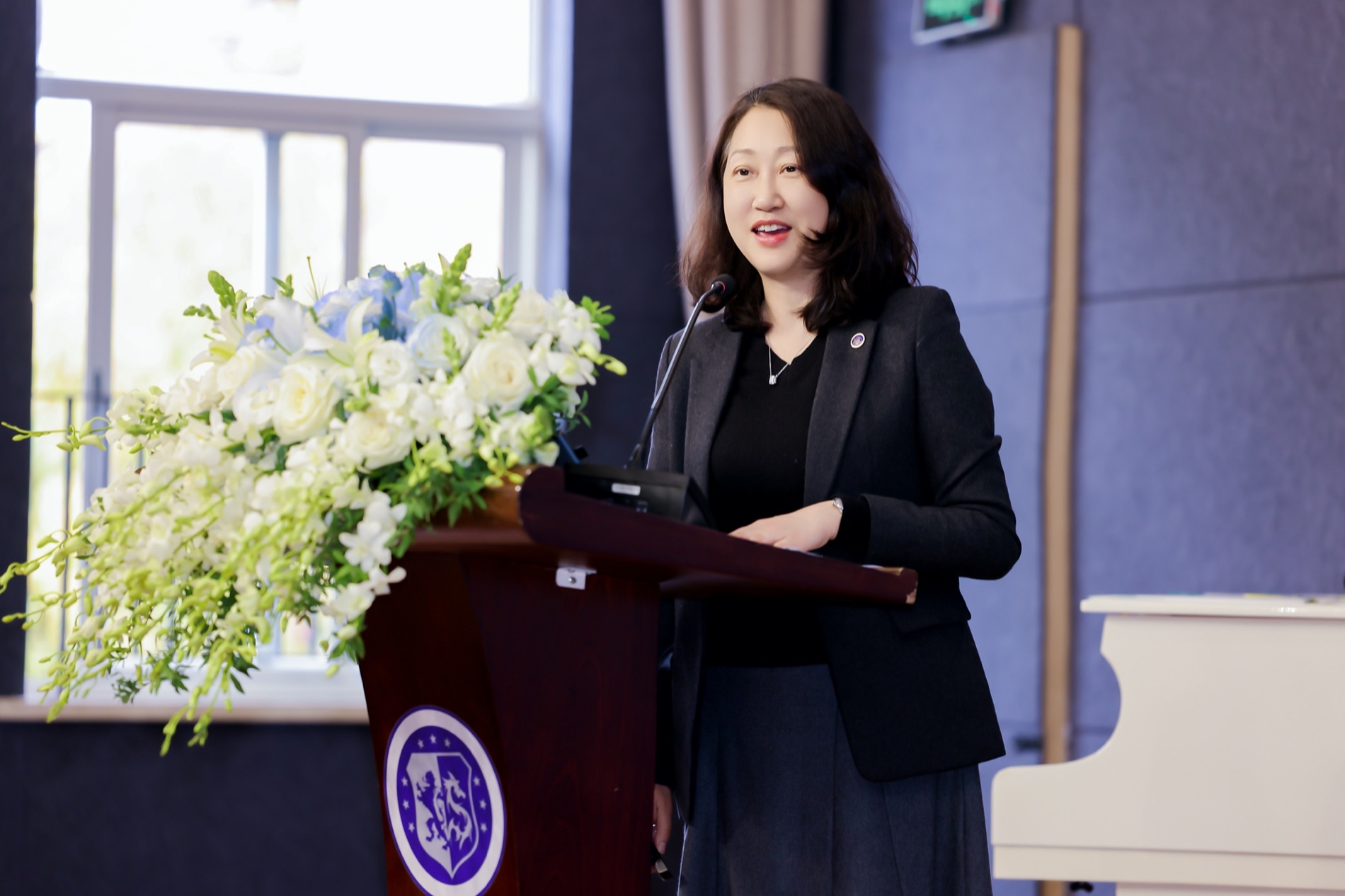
She shared a recent observation during a campus visit: students from the Xiehe K–12 system, despite facing academic pressures, remained relaxed, optimistic, and warm. Their connection with teachers went beyond the classroom and reminded her of the importance of a long-term, people-centered educational ecosystem. This, she noted, is the core value that Xiehe has upheld for 33 years—humanity as the foundation, technology as the enabler; “Developing in Harmony, where East Meets West”. As American educator John Dewey said, “Education is not preparation for life; education is life itself.” True education is never a one-way transmission of knowledge, but the cultivation of a whole person in real-life experiences.
The panel discussion was moderated by Derek Lee, Assistant Principal and Academic Director of Xiehe Gubei Campus.


Sushil Lamba (Computer Science Teacher and Robotics Coach, Xiehe Qingpu Campus) addressed the transformation of the teacher’s role in the age of AI. He noted that teachers must shift from being “knowledge transmitters” to “thought guides.” Whether expatriate or local, teachers need to help students develop critical thinking and resilience. He encouraged educators to embrace change: “You don’t need to have all the answers. Your core value lies in shaping students to become better people.”
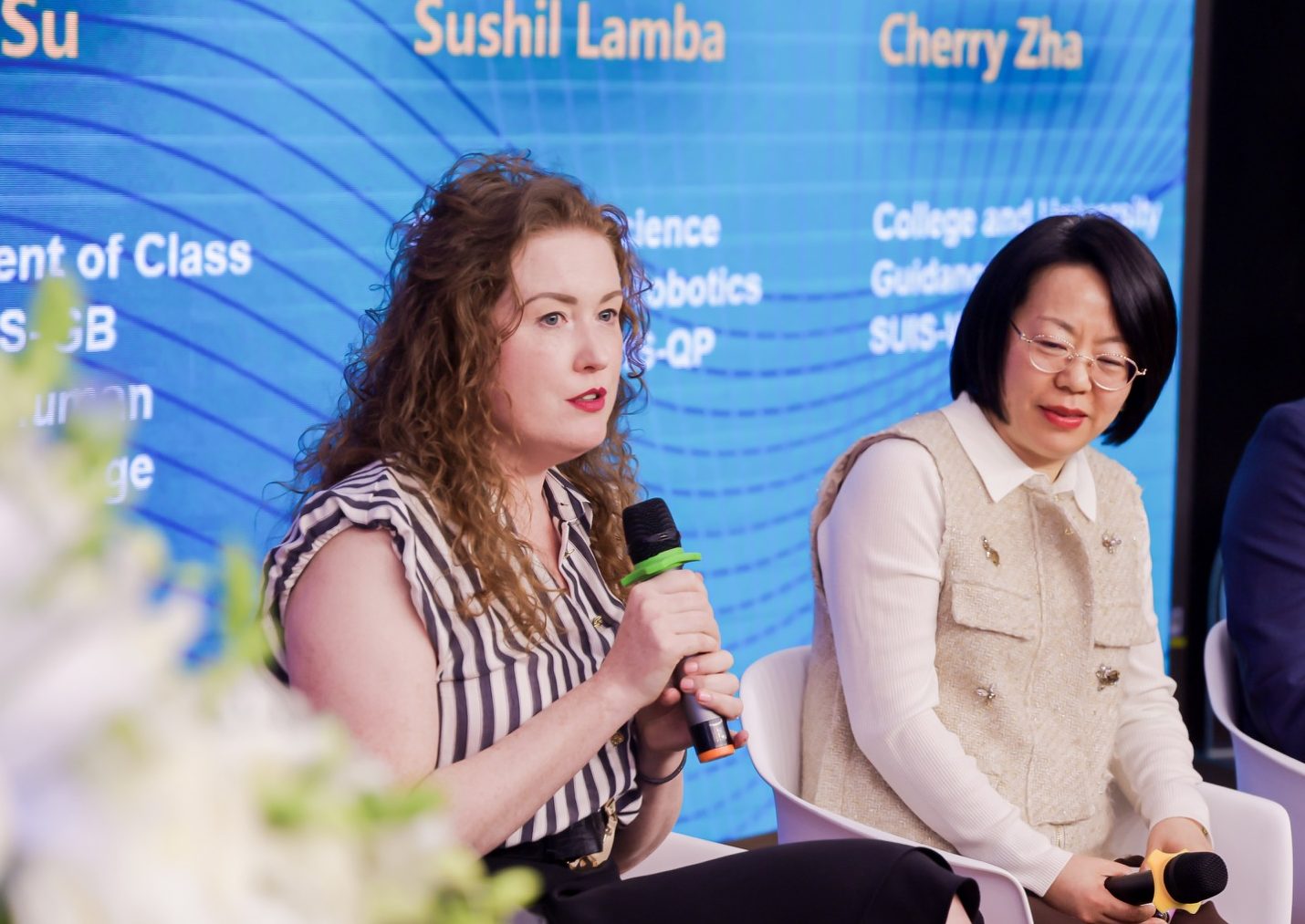
Emma Leaning (Columnist for Shanghai Daily, British journalist) spoke on the humanistic value of international education and the unique strengths expatriate teachers bring in the AI era. She emphasized that vulnerability is the birthplace of creativity and innovation—something AI cannot replicate. Expatriate teachers can offer students a unique human perspective in cross-cultural classrooms. She said: “Hope comes from humanity itself—the everyday moments full of human connection always give us strength. Bringing your whole, authentic, even imperfect self into the classroom is the greatest gift you can give your students.”

Cynthia Su (HR Director, Bunge China, and Xiehe alumni parent) shared insights from a corporate hiring perspective on how international education prepares students for the future workplace. She noted that professional background is no longer the key criterion in recruitment. Instead, resilience, collaboration, and mindset matter most. Expatriate teachers help students develop global perspectives and cross-cultural communication—essential keys to the wider world. She encouraged every educator: “Take care of yourself first, keep learning, and witness and participate in this era—this is a unique life experience.”

Cherry Zha (College Counsellor, Xiehe Wanyuan Campus) responded from a guidance perspective on how teachers can support students with university applications in the AI era. She pointed out that while AI can provide vast amounts of information, it cannot offer emotional support or guide students in finding their direction. Expatriate teachers serve not only as informants and experienced guides but also as mentors who help students explore themselves and discover their passions. She encouraged everyone: “Change doesn’t mean losing yourself—it means becoming more truly yourself. Teachers should be the light in students’ hearts.”
 Although from different fields, the four panelists reached a strong consensus: AI cannot replace human care and emotional connection. The core value of international education lies in nurturing globally minded, cross-culturally competent, and well-rounded individuals. The unique value of expatriate teachers is in bridging China and the world through their authentic selves. Whether expatriate or local, the direction for all educators is clear: not to provide answers, but to help students ask better questions; not to transmit knowledge, but to build the capacities needed for the future. This is the essence of education in the age of AI.
Certificate Ceremony: Honouring Every Contributor
Following the panel discussion, a certificate ceremony was held to thank all the guests and educators who contributed to the event.

Ms. Maxine Lu, General Principal of Xiehe Education, presented certificates to the panelists and specially invited external experts, in recognition of their insights and cross-disciplinary expertise, which brought diverse perspectives and professional depth to this event.
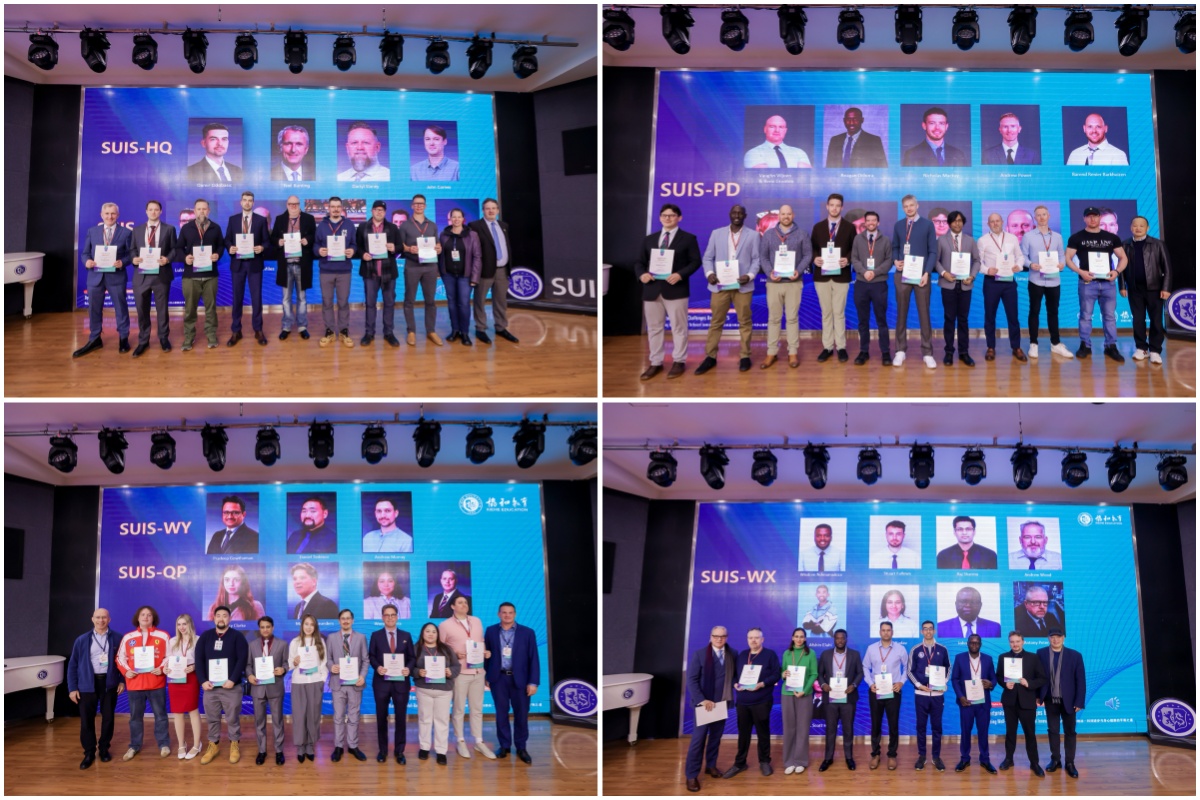
Center leaders and campus principals presented certificates to all workshop facilitators. 41 facilitators from various campuses demonstrated the meaning of professionalism and passion through their well-prepared sessions.
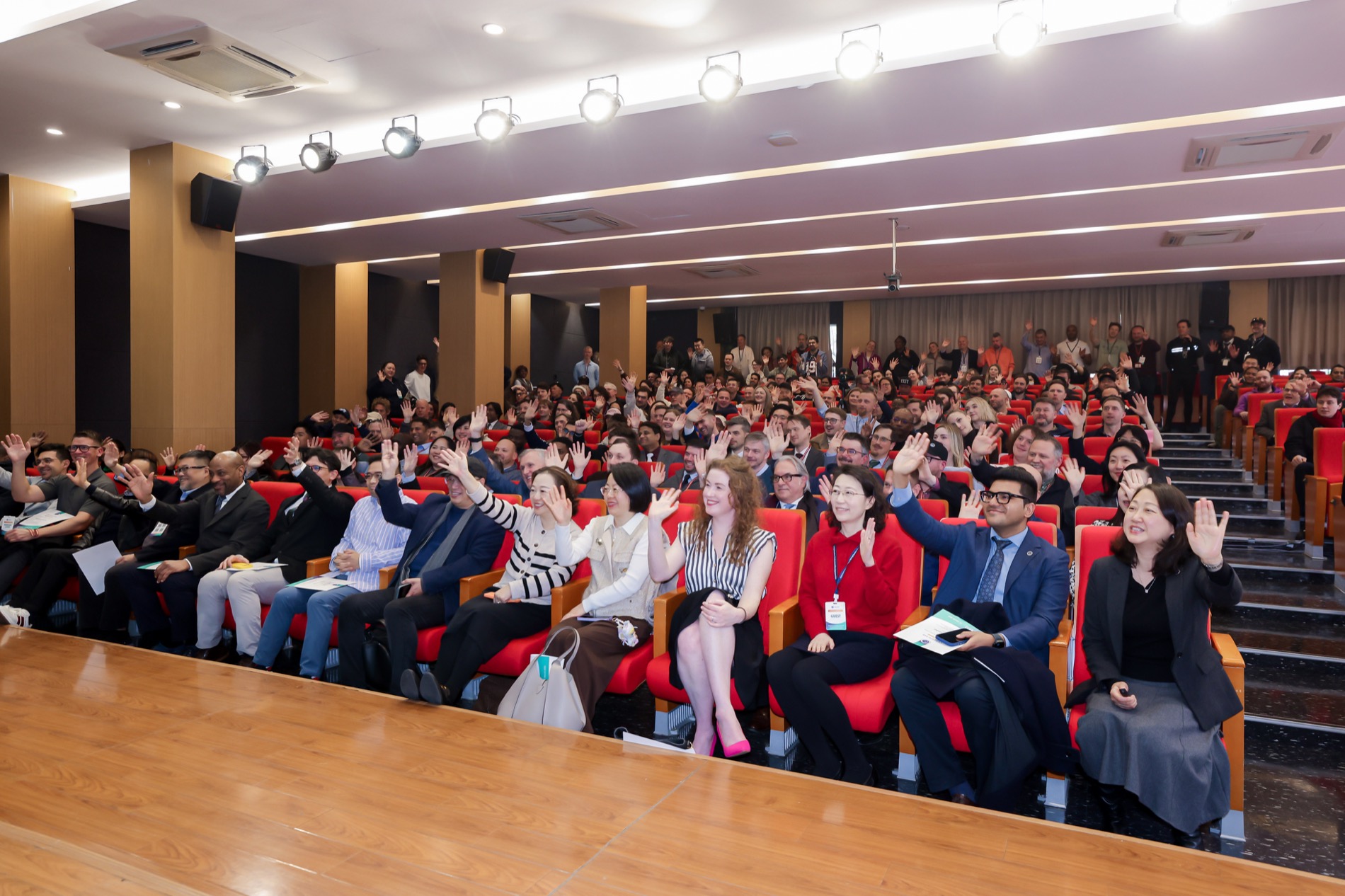
After the ceremony, teachers moved to classrooms for two rounds of workshops in the afternoon. The Teacher Development Day featured 37 workshops across four categories: Well-Being, Technology Innovation, Blending the Two, and Other Topics.
We were privileged to invite four distinguished external experts to lead in-depth workshops:

Walter Blanding, internationally renowned jazz musician, led a workshop on jazz education, guiding teachers to explore how music nurtures creativity and well-being. He emphasized that music is not a technique, but a way to connect with oneself, build confidence, and communicate with others.

Emma Leaning, columnist and British journalist, focused her workshop on “Student Voice in the Age of AI,” exploring how to help students express themselves authentically amid the flood of information. She noted that developing students’ voices is one of the most urgent and human tasks for educators today.
 After the event, Emma sent a special piece she had written for this Event. She spoke highly of Xiehe for creating a platform for such meaningful dialogue, describing it as “a gathering of inspiring humans who spent their weekend in professional development.” She concluded with these words: “The world needs you now more than ever.”
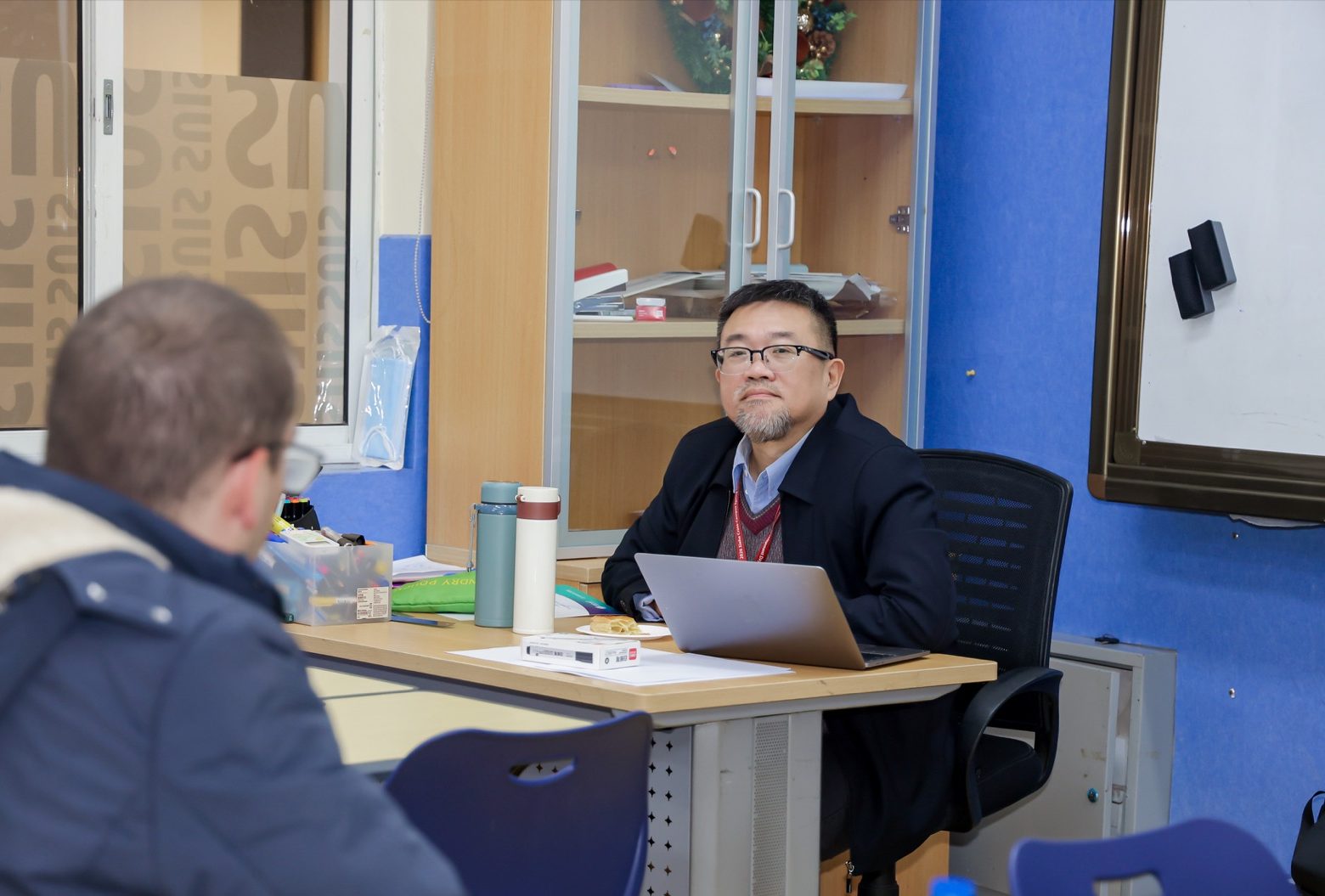
David Ng Wei Min, international mathematics education expert, introduced the concept of the “question poser” in two workshops—one for Maths teachers and one for all disciplines. He encouraged teachers to cultivate students’ ability to ask questions, which in itself is a profound form of intellectual training.
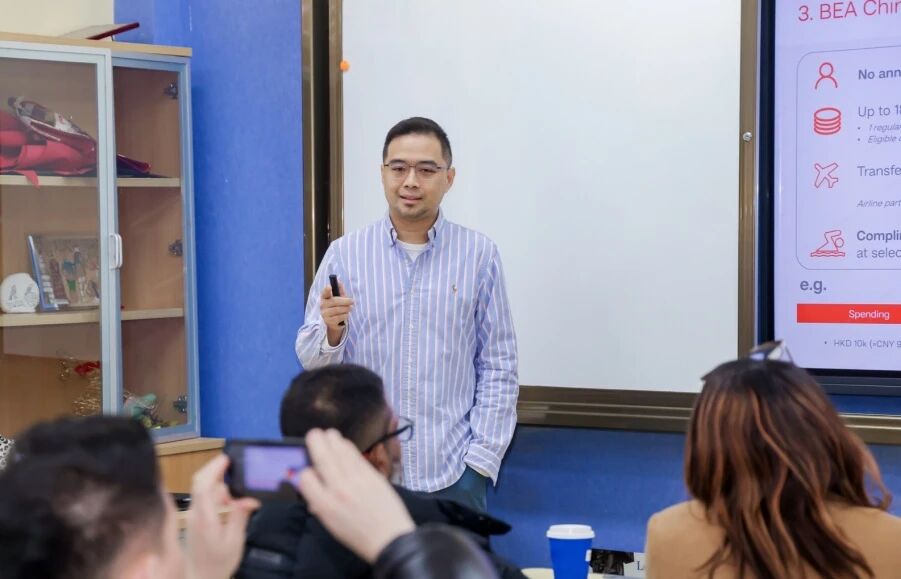 Peter Tsang, financial expert from an international bank, offered practical guidance on financial life in China for expatriate teachers, helping them settle more comfortably and focus more fully on their educational work.
Workshops led by Xiehe teachers were equally inspiring. Covering topics from mental health, classroom management, and special educational needs to AI-assisted teaching and reimagining classroom practices, each workshop reflected deep thought and genuine dedication. They demonstrated that true professional development begins with a focus on one’s own growth and culminates in a commitment to students’ development.

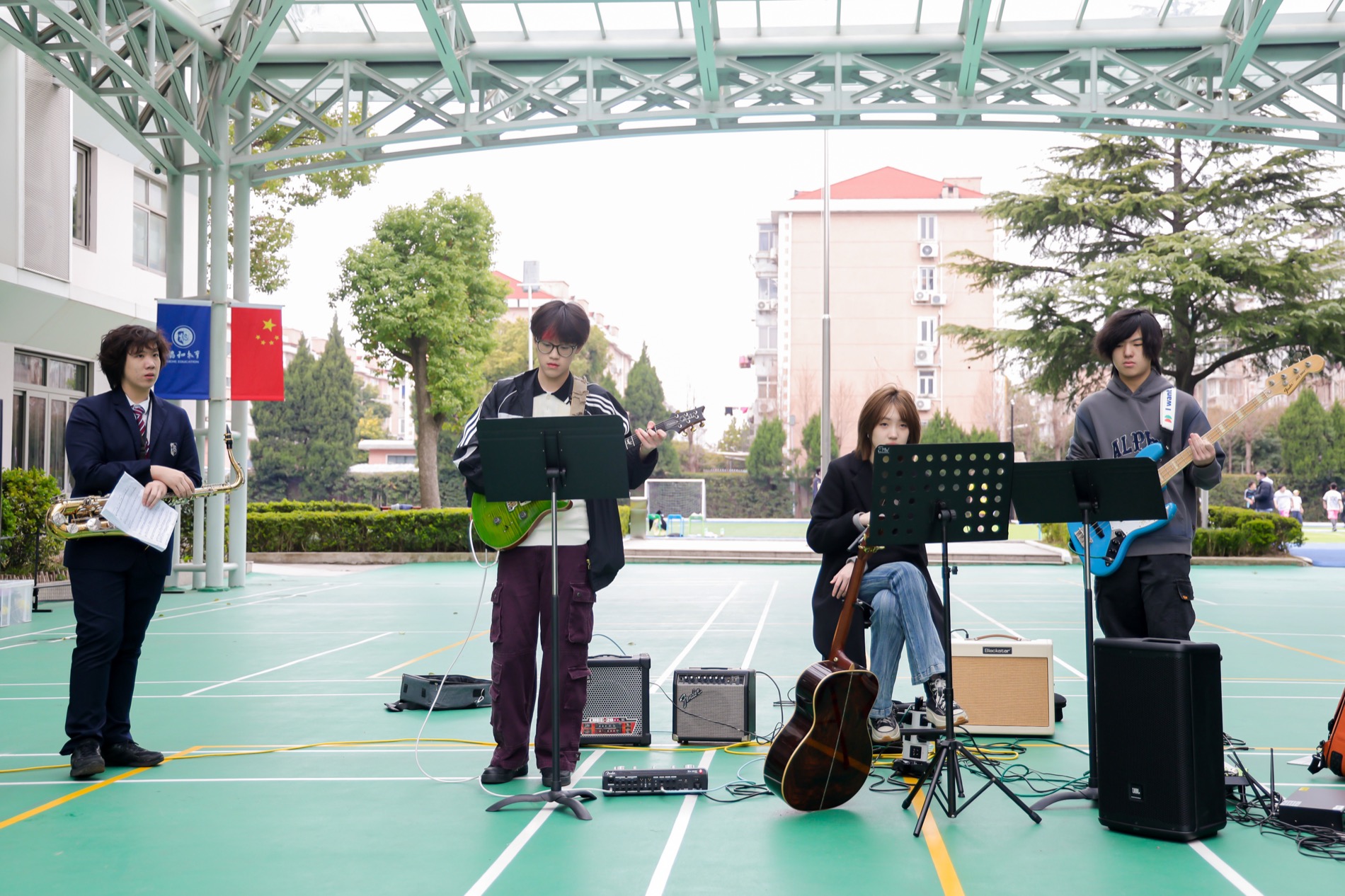
It is worth noting that student jazz bands from SUIS Gubei and SUIS Wanyuan performed during registration and tea breaks. Their energetic performances filled the venue with youthful spirit.



Conclusion: In an Uncertain World, Do What Is Certain
The world in 2026 remains full of uncertainty. Yet this Teachers’ Development Day reminds us that regardless of technological change, the foundation of education lies in human connection, human growth, and human warmth.
As The Book of Rites states, “Teaching and learning mutually enhance each other.” Teaching and learning are a journey in which teachers and students grow together. When teachers show up as their whole selves, students respond with genuine growth—this mutual nourishment is the essence of education that AI cannot replicate.
We extend our gratitude to the expatriate principals of SUIS campuses for their collaborative planning, to Jiaoke Campus for hosting the event, to every guest, host, and workshop facilitator for sharing their wisdom, and to every participant for demonstrating that education will always be a calling centred on people.
May every educator find their own balance at the intersection of technology and humanity—and, with curiosity, courage, and compassion, continue to move forward with unwavering dedication, pursuing the light.
